

Introduction: Why Intermittent Fasting Is Taking Over the Fitness World
In a world filled with complicated diets, calorie counting, and extreme weight-loss programs, intermittent fasting (IF) stands out as a simple, flexible, and science-backed method to lose weight and reduce belly fat.
But what makes it so effective? And how can beginners start safely?
This guide is your complete introduction to intermittent fasting, covering how it works, its benefits, popular methods, and tips to help you succeed.

What Is Intermittent Fasting?
Intermittent fasting is not about what you eat, but when you eat.
It’s an eating pattern that cycles between periods of eating and fasting. During the fasting period, you either don’t eat or consume very few calories.
It’s not a diet — it’s a timing strategy that helps your body:
-
Burn stored fat
-
Improve insulin sensitivity
-
Regulate hunger hormones
-
Promote cellular repair
This makes it one of the most effective natural ways to lose weight and target belly fat.
The Most Popular Intermittent Fasting Methods for Beginners
There are several methods of intermittent fasting. As a beginner, choose one that fits your lifestyle:
1. 16/8 Method (Leangains)
-
Fast for 16 hours, eat during an 8-hour window (e.g., 12 PM – 8 PM)
-
Most popular and beginner-friendly
-
Great for reducing calorie intake naturally
2. 14/10 Method
-
Fast for 14 hours, eat during a 10-hour window
-
Slightly easier, perfect for starting out
3. 5:2 Method
-
Eat normally for 5 days a week
-
For 2 non-consecutive days, eat only 500–600 calories
4. Eat-Stop-Eat (24-Hour Fasting)
-
1 or 2 times per week, fast for 24 hours
-
Not ideal for beginners, but effective for advanced users
How Intermittent Fasting Helps You Lose Weight
Here’s why intermittent fasting is so powerful:
✅ 1. Boosts Fat Burning
During a fasted state, your insulin levels drop and your body switches to burning stored fat for energy.
✅ 2. Lowers Insulin and Inflammation
Lower insulin = easier fat burning. Fasting also reduces inflammation linked to obesity and metabolic diseases.
✅ 3. Enhances Hormone Levels
It increases human growth hormone (HGH), which boosts muscle growth and fat metabolism.
✅ 4. Reduces Caloric Intake Without Dieting
You naturally eat less when your eating window is shorter — no need for strict calorie counting.
✅ 5. Targets Belly Fat
Multiple studies show that IF helps reduce visceral fat (the dangerous fat around your organs).
What to Eat During Intermittent Fasting
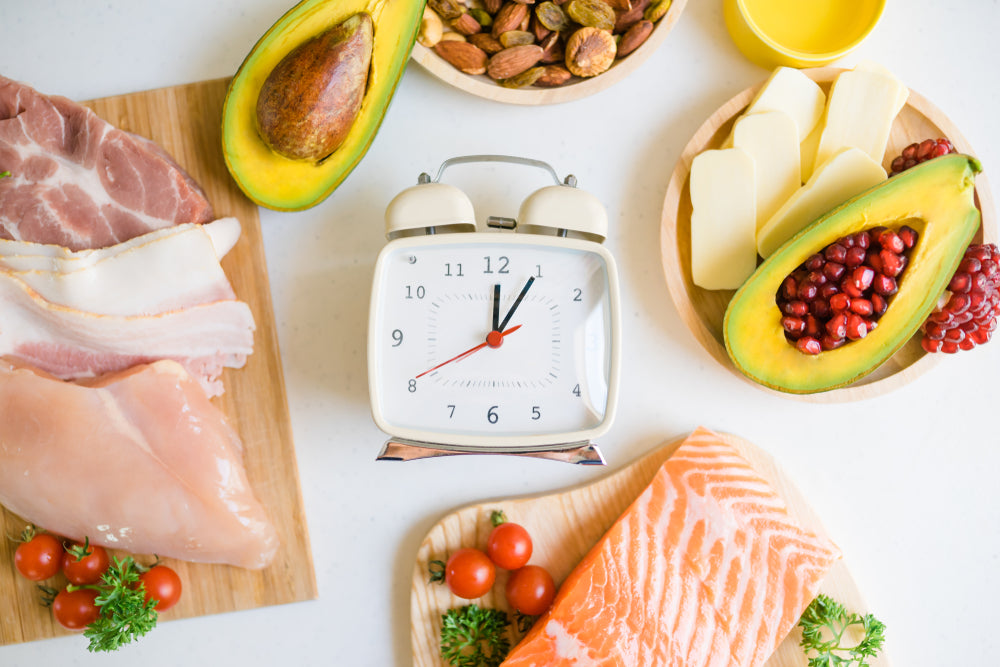
Fasting doesn’t give you a free pass to binge. For best results:
✅ Eat:
-
High-protein foods (eggs, chicken, lentils)
-
Healthy fats (avocados, olive oil, nuts)
-
Complex carbs (brown rice, oats, sweet potatoes)
-
Leafy greens and colorful vegetables
-
Water, black coffee, green tea (during fasting hours)
🚫 Avoid:
-
Sugary drinks or processed snacks
-
High-carb junk foods
-
Refined sugar and flour
Balanced nutrition enhances the fat-burning effects of intermittent fasting.
Tips for Intermittent Fasting Success
-
Start Slowly – Begin with 12/12 or 14/10 and build up gradually.
-
Stay Hydrated – Drink lots of water, black coffee, or herbal tea.
-
Stay Busy During Fasting Hours – This keeps your mind off food.
-
Break Your Fast Gently – Start with protein and fiber-rich meals.
-
Track Progress – Use a journal or app to log fasting hours, weight, and how you feel.
Common Questions About Intermittent Fasting
❓ Will I feel hungry all the time?
Not necessarily. Hunger decreases over time as your body adjusts.
❓ Can I work out while fasting?
Yes! Many people do fasted cardio or strength training during fasting hours. Start slow and see how your body responds.
❓ Is it safe for everyone?
Intermittent fasting is generally safe, but not recommended for:
-
Pregnant or breastfeeding women
-
People with eating disorders
-
Individuals with diabetes (without doctor supervision)
Health Benefits Beyond Weight Loss
Intermittent fasting isn’t just for slimming down. It also:
-
Improves brain function and focus
-
Supports heart health by reducing cholesterol
-
Boosts cellular repair and autophagy (anti-aging effect)
-
May reduce the risk of cancer and Alzheimer’s (emerging research)
This makes it a long-term lifestyle, not just a short-term fix.
Mistakes to Avoid
-
Overeating in the eating window – You still need balance.
-
Neglecting hydration – Dehydration causes fatigue and headaches.
-
Lack of sleep – Poor sleep increases hunger hormones.
-
Unrealistic expectations – Don’t expect results overnight.
Stay consistent, and you’ll start to see visible changes within a few weeks.
Summary: Is Intermittent Fasting Right for You?
If you're looking for a flexible, sustainable way to lose weight, flatten your belly fat, and improve your overall health — intermittent fasting is worth trying.
It doesn’t require special meals, expensive supplements, or exhausting workouts. All it takes is time discipline, mindful eating, and consistency.
Start slow, listen to your body, and transform your health one fast at a time.